Find Joy in a Waste-Free Market Day

Today we explore zero-waste farmers’ market finds and packaging-free storage tips, turning sunlit stalls into practical discoveries and your pantry into a calm, plastic-free refuge. Expect friendly scripts for vendors, clever container systems, and cooking approaches that honor every leaf and stem. Bring curiosity, a few jars, and an open tote; leave with fresher food, fewer disposables, and a plan you can repeat weekly. Share your best discoveries and inspire neighbors to join.

A Morning Stroll Through the Stalls

Your Reusable Toolkit

Pack light but intentional: nesting jars for olives and sauces, wide-mouth containers for berries, fabric produce bags, a collapsible box for greens, and a pen to mark weights and vendor notes. Keep a small towel to wipe jars, a beeswax wrap for cut melons, and a spare clip for closing bags. Add a luggage scale to verify tare when needed. Share your kit loadout in the comments so newcomers can copy and customize confidently.

Conversations That Open Doors

A simple, warm ask changes everything: “Could you put these tomatoes straight into my container?” Smile, mention your tare number, and thank the vendor by name. Explain you love their produce and want less plastic at home. Offer to return egg cartons or bottles next week. Vendors remember kindness and consistency more than demands. Tell us a line that worked for you, and we will compile a friendly script library for shy shoppers.

Seasonal Strategy, Smaller Footprint

Let seasons plan your menu like a compass, replacing packaged cravings with peak flavor. Buy sturdy storage crops alongside delicate greens to balance weekly freshness, and commit to one new variety each visit to expand skills. Build meals around overlapping ingredients to minimize odds and ends. When stormy weather limits selection, pivot to legumes you already have. Share your favorite seasonal pairing that stretches across breakfasts, lunches, and dinners without wasteful extras.

Packaging-Free Storage That Actually Works

Greens That Stay Lively

Treat tender greens like flowers. Rehydrate stems in cold water, spin dry, then wrap loosely in a clean towel before placing in a ventilated container. Keep them away from ethylene producers like apples. Revive tired leaves with an ice bath and acidity from lemon. Label harvest dates to guide use. If abundance strikes, blend handfuls into pesto cubes. Comment with your towel brand or favorite container shape so others can replicate crisp results.

Roots, Alliums, and Cool Corners

Carrots, beets, and radishes enjoy cool darkness; trim greens to slow moisture loss and store roots in slightly damp sand or breathable bins. Keep onions and garlic dry with airflow, away from potatoes to prevent sprouting. Unwashed potatoes last longer in a paper sack, not the fridge. Check weekly for soft spots and cook those first. Share a photo of your cupboard setup, including shelf heights or baskets, to help readers design space-efficient, packaging-free storage.

Dry Goods Without Drama

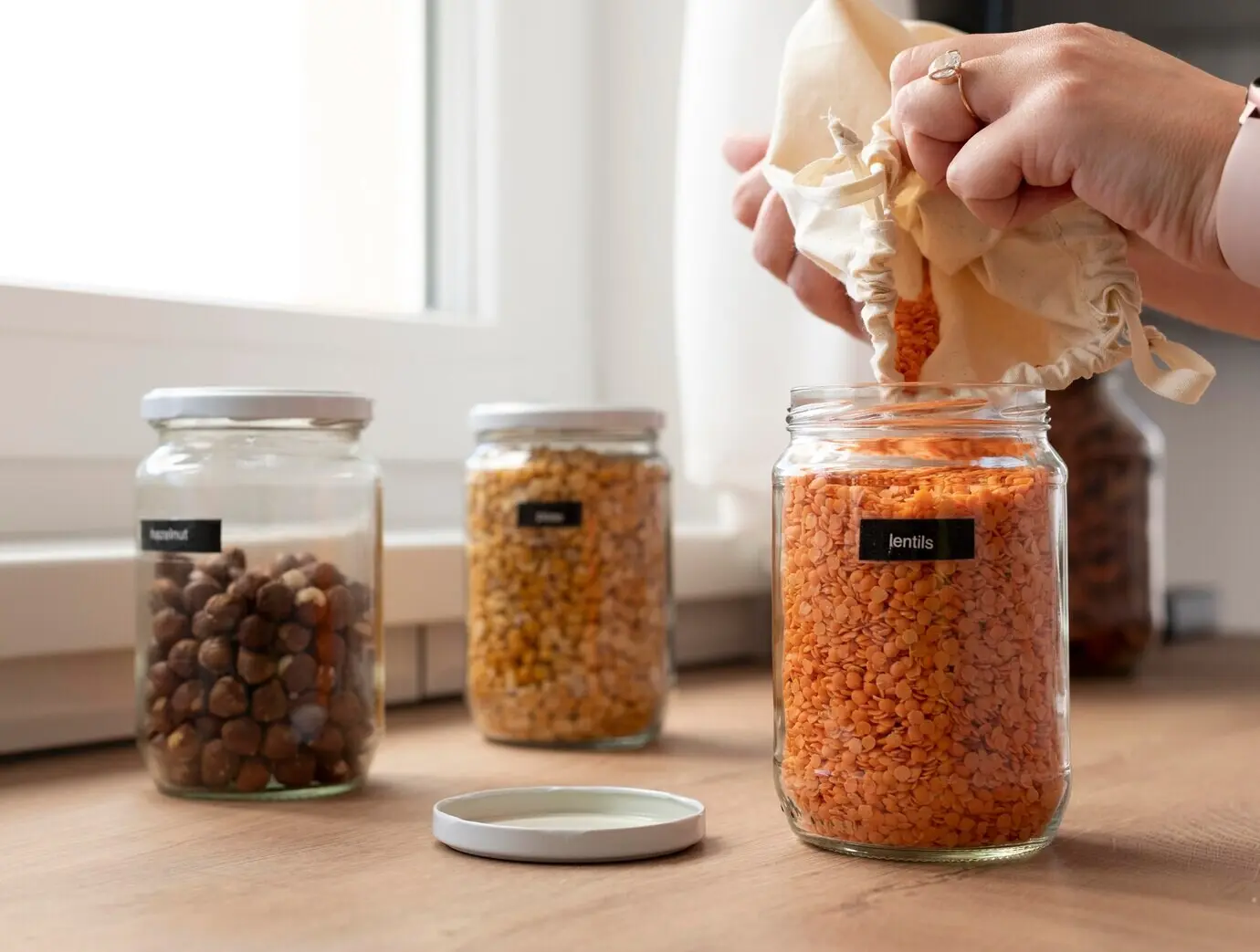
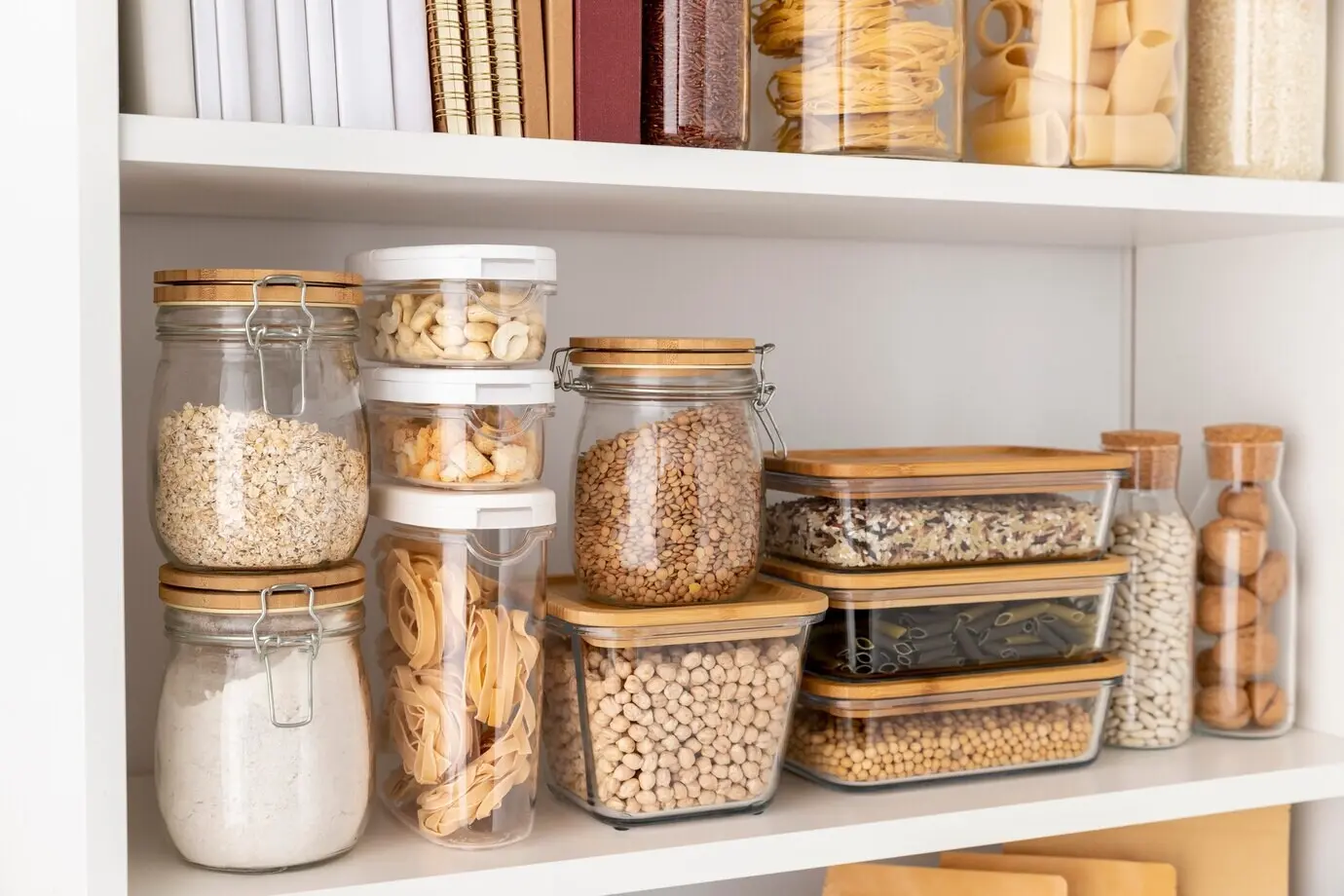
Transfer bulk grains, beans, and nuts into clean, dry glass jars as soon as you get home, adding bay leaves or airtight lids to deter pests. Record cooking ratios on masking tape labels for fast weeknights. Store heavier jars on lower shelves, light seeds up high. Keep a first-in, first-out rule by placing newer jars behind older ones. What label system keeps you honest—color codes, dates, or recipes? Share your method so others adopt it painlessly.

Cook the Rainbow, Use the Whole Harvest

Cooking to prevent waste means designing meals around entire plants, celebrating stems, peels, and tops as ingredients with character. Blend odds and ends into broths, fritters, sauces, or ferments, and plan overlapping flavor families across days. Make small-batch experiments to discover favorites before scaling. Freeze successes in sensible portions for future, easy wins. Tell us which part of a plant surprised you most with flavor, and inspire the next person to try it tonight.
Turn carrot tops into bright pesto, radish greens into garlicky sauté, and broccoli stems into crunchy matchsticks tossed with citrus and sesame. Potato peels become oven crisps, and leek greens perfume broth. Keep a chilled “scrap jar” for weekly stock, then strain and freeze. Celebrate textures you once trimmed away. Post your most delicious transformation, including quick steps, so beginners realize these dishes require confidence more than time or fancy equipment.
Sundays become easier when you simmer beans, roast trays of vegetables, and cook a grain you love. Portion into wide-mouth jars with generous headspace for freezing, label with date and contents, and group by meal type. Rotate jars forward weekly. Build sauces—tahini, herb chimichurri—to turn leftovers into fresh meals. Share your ideal batch size and reheating tricks. We’ll gather best practices for safe cooling, quick thawing, and jar organization that saves busy evenings gracefully.

Stories from the Market Trail

Real voices keep motivation alive. A beekeeper who swaps jars, a baker offering paper-wrapped loaves, a dairy with returnable glass—these relationships transform errands into friendships. Mistakes happen; laugh, learn, and try again next week. Celebrate wins, like remembering tare or finishing greens. Your message may prompt a vendor to pilot a deposit scheme. Share a short story below; we’ll highlight community experiences that make sustainable habits feel human, joyful, and resilient through seasons.
Maya, a market regular, asked her favorite yogurt vendor if glass returns were possible. They tested it with ten customers, tracked cleanliness standards, and within a month, expanded to fifty jars. Cleaning protocols were posted, deposits fair, and waste plummeted. Sales rose on word-of-mouth trust. Share a vendor you’d nominate for a similar experiment, and tag your city. Your suggestion could be the nudge that normalizes container loops where you shop each weekend.
After committing to four Saturdays without disposables, Jon reduced his trash by half. He missed a week, apologized, and kept going. His best discovery was reusable egg cartons with stamped return dates. Neighbors noticed and joined, turning a personal goal into a block ritual. What would your first thirty days look like? Map them with us, and check in weekly so we can cheer progress and troubleshoot snags together, one supportive message at a time.
Kids can tally jars, weigh produce, and place stickers on returnables. One family turned it into a scavenger hunt for unpackaged treasures: a purple carrot, a fragrant peach, a new herb to learn. At home, measuring grains becomes math practice, not a chore. What market game motivates your household? Share it, along with a photo of your setup, so other families discover that waste-free shopping can feel like play instead of a lecture.

Food Safety, Freshness, and Realistic Expectations

Safety supports confidence. Know when to wash and when to wait, how to separate ethylene producers from delicate greens, and why airflow beats sealed plastic for many items. Fermentation extends life with flavor, while freezing preserves abundance for future meals. Nothing lasts forever, so design menus around real timelines. If something slips, learn without guilt. Add your questions about washing, storage times, and signs of spoilage, and we’ll expand this guide with clear, practical answers.

Washing, Ethylene, and Clever Separation

Rinse berries only before eating to avoid mush; store unwashed with breathable lids and a dry cloth. Keep apples and bananas away from greens because ethylene speeds ripening. Tomatoes prefer the counter; cucumbers enjoy a cool fridge drawer. Perforated containers preserve airflow; damp towels maintain humidity for herbs. Track purchase dates on painter’s tape. List one pairing you separate to keep food perky longer, and we will compile a quick-reference chart for everyone.

Ferments as Flavorful Insurance

When cucumbers peak, preserve crispness with simple brines, whole spices, and clean jars. Shredded cabbage transforms into tangy kraut with only salt and time. Carrots, radishes, and stems join the party, building probiotics while cutting waste. Keep vessels below brine, burp as needed, and taste often. Share your salinity sweet spot and favorite spice blend. We’ll publish a community-tested range so new fermenters feel safe, adventurous, and ready to save seasonal abundance delightfully.
Before-and-After Market Routine

Before you leave, confirm jars, bags, pen, towel, and returnables. Snap a photo of your empty tote for accountability. After shopping, weigh, label, and store items immediately, setting aside a quick lunch to reduce takeout temptation. Assign roles at home to streamline tasks. End with a five-minute tidy and a note for next week. Share your routine steps below. We’ll build printable checklists that reduce decision fatigue and help kindness-driven habits feel automatic.

Inventory That Loves Your Jars

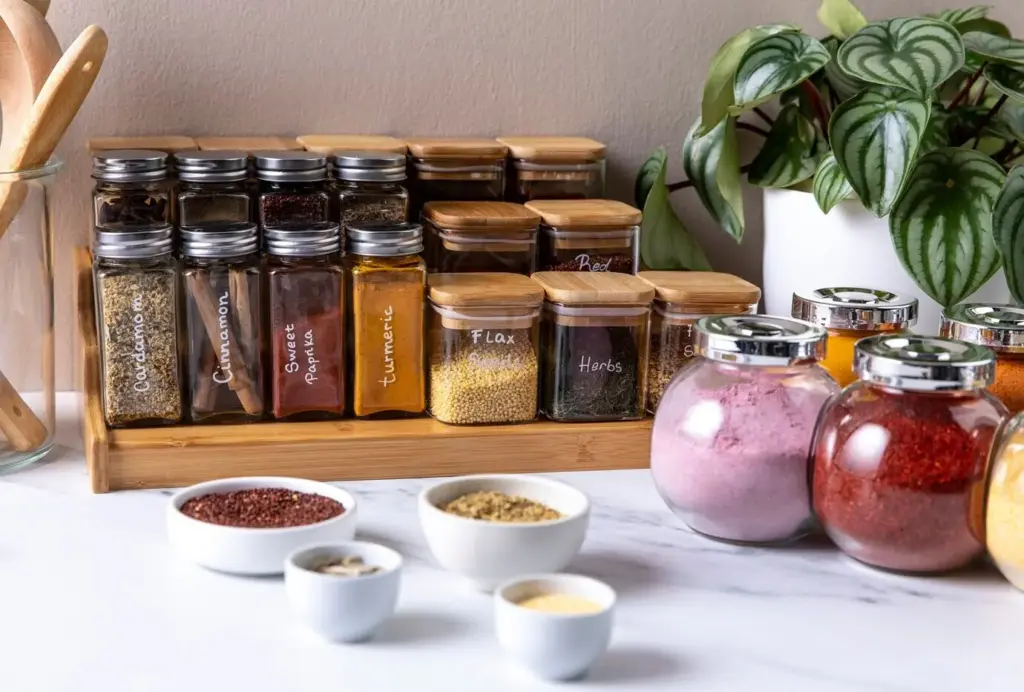
Keep a simple ledger listing jars by size, contents, and purchase date. Group grains, beans, and seeds visually so you plan meals around what’s already abundant. Use color-coded dots for urgency and a monthly audit to catch stale items. Replace mystery leftovers with clear labels and predictable containers. Post a screenshot of your system, analog or digital. We’ll collect templates that make tracking delightful, not demanding, while supporting waste-free cooking all week long.

Share, Swap, and Celebrate

Trade herb cuttings, exchange extra starters, and organize a neighborhood jar return basket to help vendors thrive. Host a quarterly swap for duplicates like zested citrus or overzealous sourdough. Celebrate milestones—one month plastic-free greens, a perfect ferment, a repaired tote—with a shared recipe thread. Tell us your city and we’ll help connect readers nearby. Community energy multiplies courage, making kind choices feel normal, visible, and irresistibly inviting for the next curious shopper.

Zezulevokitarime
Privacy Overview

This website uses cookies so that we can provide you with the best user experience possible. Cookie information is stored in your browser and performs functions such as recognising you when you return to our website and helping our team to understand which sections of the website you find most interesting and useful.