
Smarter Carts, Lighter Bins
Today we dive into bulk vs. packaged choices for everyday groceries, comparing real costs, hidden fees, and the waste that follows each decision in kitchens like yours. We will examine unit prices, shelf life, storage tactics, and environmental footprints using relatable examples. By the end, you will recognize when buying larger quantities genuinely saves money, when convenience quietly drains budgets, and how small habit shifts can reduce trash without sacrificing taste, safety, nutrition, or precious time spent living your life.
Where the Money Actually Goes
Price tags whisper different stories depending on how you read them. The big number on the front can mislead, while the per-ounce or per-gram detail often reveals the truth. Packaging, transportation, spoilage, and brand premiums complicate everything. Understanding how costs are built helps you pick the option that rewards your wallet, your schedule, and your values without surprises at checkout or disappointment when you open the pantry later.
Trash You Don’t See Until It Piles Up
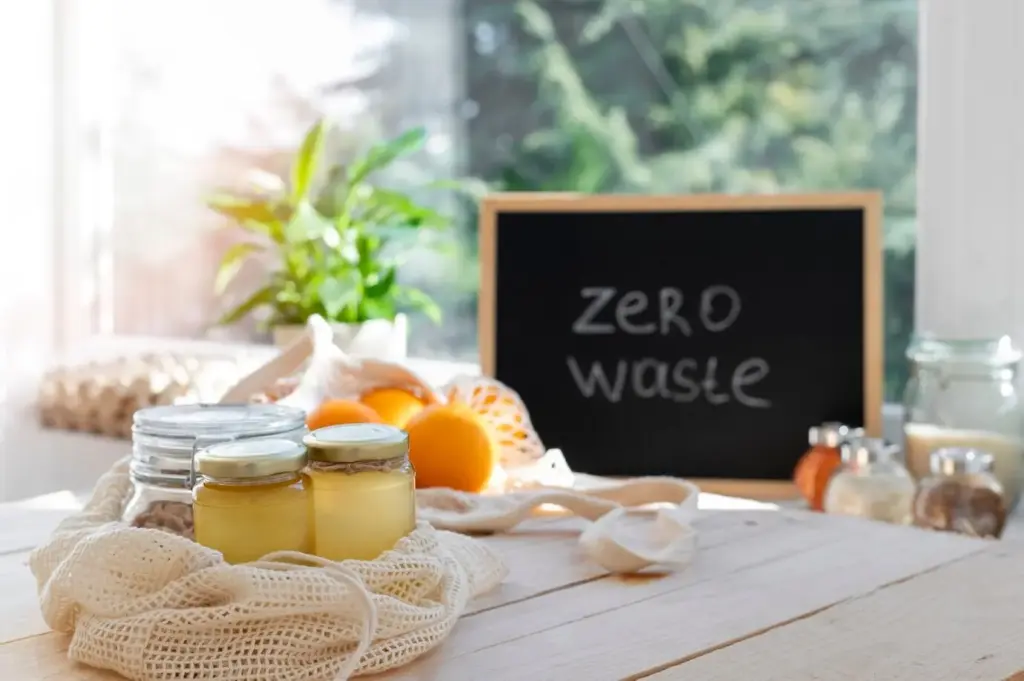
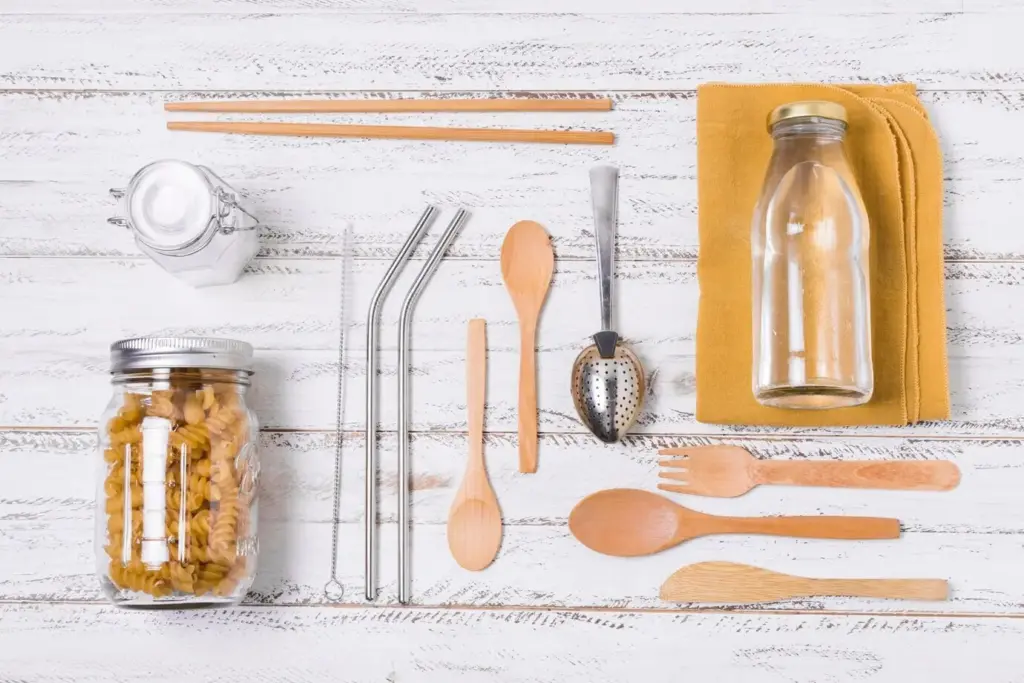
Waste sneaks into homes in layers: outer boxes, inner bags, labels, twist ties, and even the air shipped inside oversized packages. Bulk can cut visible trash, yet food waste from overbuying also matters. Recycling rules vary, with many flexible plastics rarely accepted. Focusing on both packaging impact and leftovers prevents well-intentioned choices from backfiring. The cleanest cart minimizes unnecessary materials while ensuring you actually enjoy everything you buy.
Health, Safety, and Freshness Without Anxiety
Quality and peace of mind deserve equal billing alongside price. Bulk bins invite questions about cross-contact, store sanitation, and turnover speed, while sealed packaging offers tamper-evidence and labeled dates. Each approach can be safe when handled well. The key is choosing reputable stores, inspecting conditions, applying sensible storage practices at home, and leveraging labeling information wisely, especially for sensitive diets and households managing allergens or young children.
A Week of Receipts: What Actually Happened
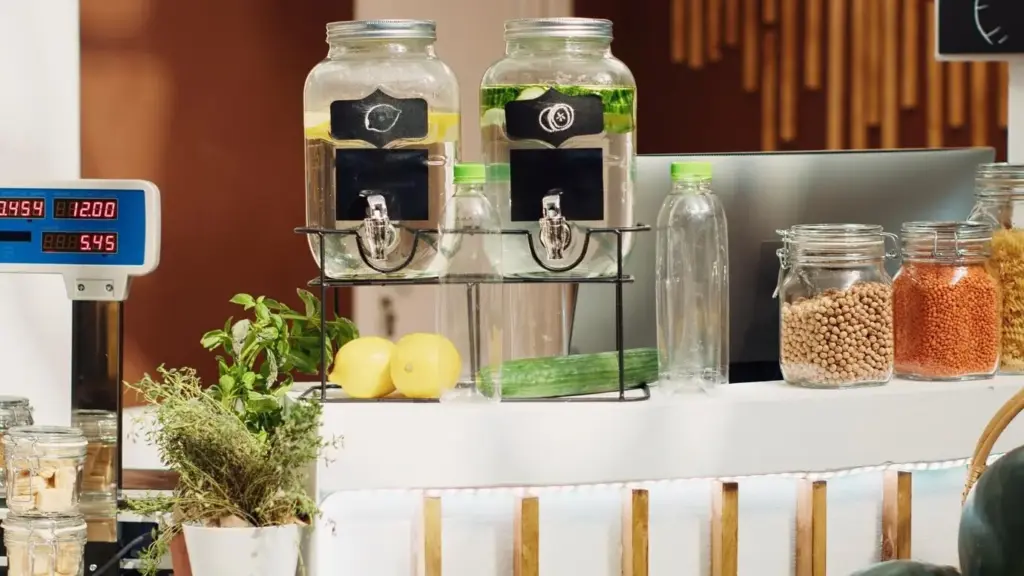
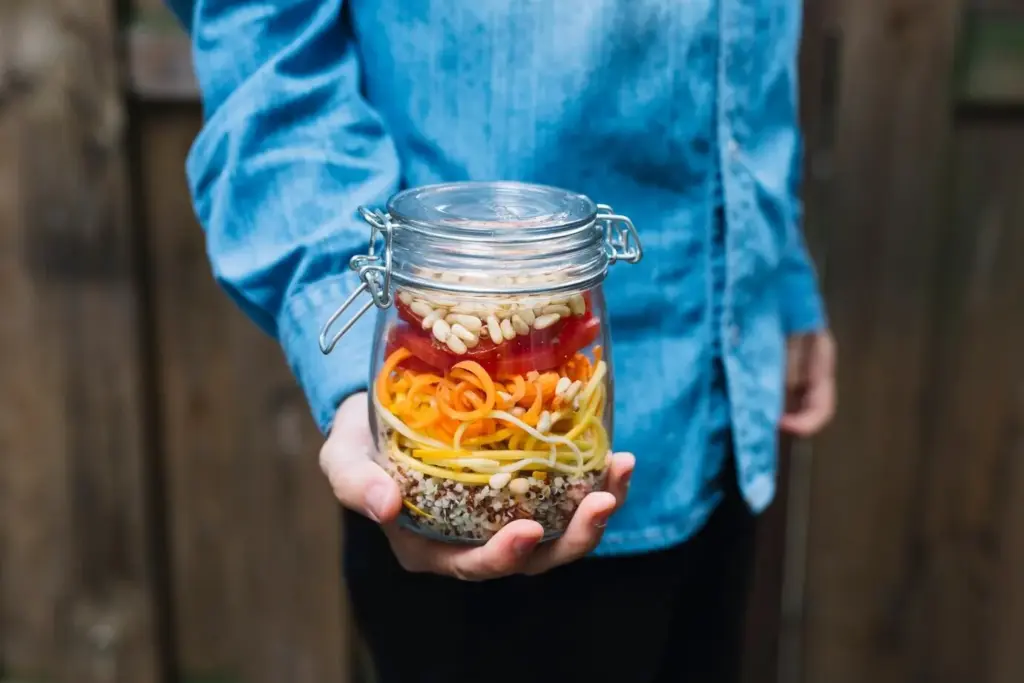
Consider a simple experiment: track seven days of purchases and waste. One family bought rice, oats, lentils, coffee, nuts, detergent, and snacks using a mix of bulk scoops and sealed options. Unit prices favored bulk for staples, while packaged snacks won on portion control. They reduced trash by reusing jars, froze half the nuts, and shared coffee with neighbors. The result felt easier, cheaper, and cleaner than expected.
Staples That Consistently Win
Beans, rice, oats, and spices delivered reliable savings when purchased in flexible quantities. Bulk let them buy exactly what recipes required, preventing forgotten leftovers. A small investment in airtight jars protected freshness and removed clutter. Even after accounting for jar costs, the per-meal price dropped, and flavors stayed bright. They noticed fewer emergency trips, calmer weeknights, and a satisfying rhythm from predictable pantry basics.
Snacks, Treats, and Portion Control
Snack cravings challenged savings. Packaged options offered seals that preserved crunch and managed temptation, while bulk scoops sometimes encouraged oversized portions. The winning move combined strategies: decant smaller amounts, reseal diligently, and prioritize favorites. When variety mattered, they chose compact packaged multipacks to avoid staleness. Waste declined, costs stabilized, and snack time felt joyful rather than chaotic, proving that realistic habits beat strict rules every single week.
Household Supplies and Surprising Wins
Refill stations for detergents and cleaners eliminated multiple plastic bottles across the week. Concentrates stretched longer than expected, and measured pumps prevented overuse. For items like dishwasher tablets, packaged units stayed competitive because dosing was precise. The family mixed approaches, tracking per-use cost instead of sticker shock. Their bins stayed lighter, shelves clearer, and routines smoother, which made sticking to the plan pleasantly effortless.


Strategy That Works in Real Life
Success comes from flexible rules you can actually live with. Buy large when you will finish on time, store smartly, and share excess. Choose packaged for delicate items, strict allergens, or when freshness tech offers real value. Keep a short list of your household’s true staples and seasonal favorites. With that clarity, every trip is faster, cheaper, and kinder to your trash bin and peace of mind.
Your Wallet, Your Planet, Your Voice
Your everyday choices shape store shelves and neighborhood waste streams. When you share what works, local shops adjust selections and refill options. Track a few items, celebrate small victories, and learn from missteps without guilt. Ask brands for recyclable or refillable packaging and clear unit pricing. Join the conversation here, because your experience helps others find a balance that feels sustainable, affordable, and genuinely satisfying.

Before Checkout: A Simple Checklist
Do I know the unit price? Will I finish this before quality drops? Do I have the right containers and space? Can I split or freeze extras? Is there a refillable or recyclable alternative? Running through these questions takes seconds, prevents waste, and turns the line at the register into a quick confidence boost rather than a guessing game you regret at home.

Share Your Wins and Lessons
Tell us where bulk saved you the most, which packaged items truly preserved freshness, and how you solved storage hurdles. Post your photos, favorite containers, and price notes in the comments. We will feature reader experiments, highlight clever hacks, and refine our guides using your evidence. Real kitchens, real receipts, and honest reflections move the conversation forward faster than any perfect plan.

Subscribe for Practical Experiments
Join for monthly receipt breakdowns, seasonal pantry playbooks, and side-by-side tests of storage methods that actually work in busy homes. Expect simple checklists, printable labels, and community polls that adapt to your feedback. You will save money, cut waste, and cook more joyfully, guided by clear data, creative ideas, and a friendly community cheering your everyday wins forward.
All Rights Reserved.